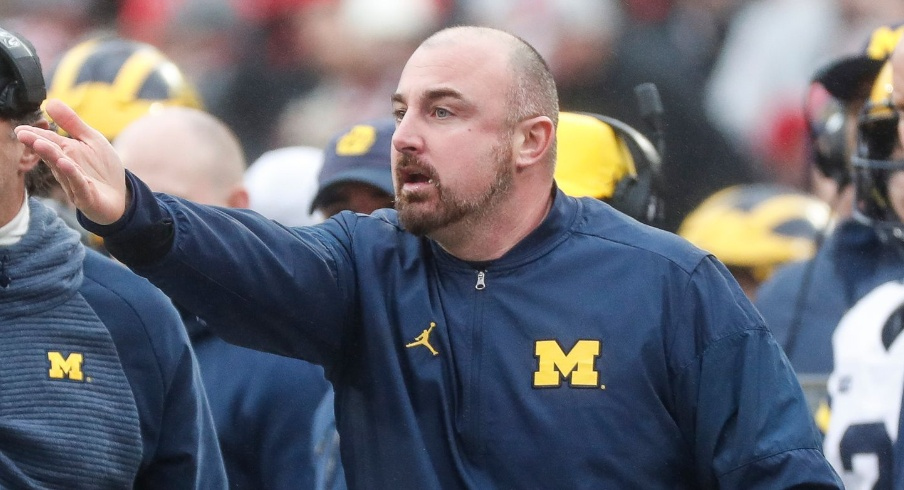
In a recent development within college athletics, Chris Partridge, who previously served as an assistant coach for the Michigan Wolverines football team, has filed a lawsuit against the university. The legal action comes amidst heightened scrutiny over recruiting practices and allegations of tampering within the NCAA framework.
Partridge's lawsuit alleges that the university engaged in unfair practices that impacted his reputation and career. The case has garnered significant attention as it highlights ongoing issues related to compliance and integrity in college sports programs.
Simultaneously, the Big Ten Conference has formally requested the NCAA to halt investigations into tampering allegations involving member schools. The conference argues that the investigations are disruptive and could unfairly target programs without sufficient evidence.
This request has sparked a debate about the NCAA's authority and the procedures used in investigating recruiting violations. Critics suggest that the pause could delay necessary reforms and transparency in college athletics governance.
Adding to the complexity of the situation is the mysterious case of the Emeka Egbuka X account. Egbuka, a prominent recruit, has been linked to social media activity that has raised questions about the influence of digital platforms in recruiting and player interactions. The account's origins and purpose remain unclear, fueling speculation about potential violations or strategic communications.
These intertwined issues reflect broader challenges faced by college sports programs, including maintaining fair play, managing digital influence, and ensuring compliance with NCAA regulations. As legal proceedings and investigations unfold, stakeholders are watching closely to see how these matters will impact the future landscape of college athletics.
Overall, the lawsuit by Chris Partridge and the NCAA's response to tampering allegations underscore the ongoing efforts to address misconduct and uphold integrity in college football. The situation continues to evolve, with potential implications for recruiting practices, institutional accountability, and the role of social media in sports.